The Indonesia–PNG Trade Relationship Explained
Growing trade, cross-border cooperation and new investment opportunities could strengthen Indonesia–Papua New Guinea relations while connecting Southeast Asia more closely with the Pacific.
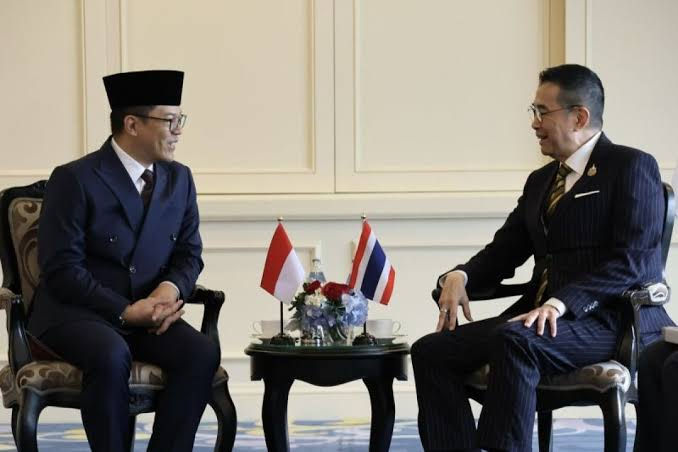
Indonesia and Papua New Guinea (PNG) share a land border, complementary economic strengths, and an increasingly important commercial relationship. Indonesia offers a large manufacturing base, consumer-goods industries, and access to Southeast Asian supply chains; while PNG’s economy is anchored in mining, petroleum, agriculture, fisheries, and forestry, and Indonesia has shifted toward downstream processing, manufacturing, trade, and services. Their bilateral trade rose from US$212 million in 2020 to US$322 million in 2021 Business as Usual for PNG–Indonesia Relations, 2022 NEC Appoints New Trade Commissioner of PNG to the Republic of Indonesia, 2026 PNG Wants a Bigger Economy – Indonesia Shows How, 2026. This relationship is gaining relevance as Indonesia strengthens its engagement with Pacific Island countries and PNG pursues closer economic connections with Asia. Indonesia’s foreign-policy identifies Papua New Guinea as a non-traditional market that can help diversify Indonesian export destinations Indonesian Foreign Policy Journal, 2024. Bilateral trade reached US$385.5 million in 2024, increasing 54.91% from US$247.6 million in 2023, according to Indonesia’s Foreign Ministry. The figures suggest considerable room for further commercial expansion, although sustained growth will depend on better connectivity, market access and investment Indonesia–Papua New Guinea Bilateral Trade, 2025.
For both countries, the opportunity extends beyond selling more goods. A stronger partnership could help develop border communities and create a more integrated economic corridor between Southeast Asia and the Pacific.
Key Facts
US$385.5 million: Reported bilateral trade between Indonesia and PNG in 2024. Indonesia–Papua New Guinea Bilateral Trade, 2025.
54.91%: Increase in bilateral trade value between 2023 and 2024, according to Indonesia’s Foreign Ministry. Indonesia–Papua New Guinea Bilateral Trade, 2025.
US$249.47 million: Indonesia’s reported exports to PNG in 2025, based on UN Comtrade data. UN Comtrade Data Explorer, 2025.
US$108.17 million: Indonesia’s reported imports from PNG in 2025, based on UN Comtrade data. UN Comtrade Data Explorer, 2025.
50 years of diplomatic relations: Indonesia and PNG marked the 50th anniversary of their diplomatic relationship in 2025. PNG–Indonesia Business Council Launched, 2025.
Trade-agreement discussions: In June 2026, Indonesia’s Trade Ministry confirmed that a feasibility study was being pursued for a proposed Indonesia–PNG preferential trade agreement. Indonesia–PNG Preferential Trade Agreement Feasibility Study, 2026.

Understanding the Current Trade Relationship
Indonesia’s Export Strength
Indonesia is well positioned to supply PNG with a broad range of manufactured and consumer goods. Its industrial base covers food and beverages, household products, construction materials, vehicles, machinery, chemicals and agricultural products. This broad base give Indonesian companies an opportunity to serve PNG’s consumer market and growing demand for goods supporting infrastructure and commercial activity.
UN Comtrade-derived figures for 2025 show Indonesia’s exports to PNG reaching US$249.47 million with major categories focusing on animal and vegetable fats and oils, soaps and related products, prepared food products, vehicles, sugar, aluminium, fertilisers, plastics and electrical equipment UN Comtrade Data Explorer, 2025.
This product mix suggests that the relationship is not limited to energy or raw materials. It also reflects demand for everyday consumer goods and inputs used in construction, agriculture, transport and industry.
Why Indonesian Products Matter to PNG
Geographic proximity can offer Indonesian suppliers practical advantages, particularly for businesses operating in western PNG and other locations where regional shipping connections are commercially viable. Indonesia’s Papua region borders PNG’s West Sepik and Western provinces, where cross-border routes through Jayapura–Vanimo and Merauke–Daru can reduce transport distances and costs. Indonesia also has a large domestic manufacturing sector, enabling suppliers to offer a broad range of products at different price points. Indonesia Eyes Direct Flights Between Papua, Papua New Guinea, 2026 Skouw Border Gate: A Vital Link Between Indonesia and the Pacific, 2025 Cross-Border Inequality Between Indonesian Papua and Papua New Guinea, 2022.
However, proximity does not automatically guarantee competitiveness. Besides ensure a steady distribution timetable, goods and services must also be up to standards.
PNG’s Export Opportunities
PNG has a different trade structure. Its wider export economy relies heavily on natural resources and agricultural commodities, such as liquefied natural gas, gold, palm oil, coffee, cocoa and seafood. PNG total merchandise exports reached approximately 53.6 billion Kina in 2024, including re-exports Papua New Guinea National Statistical Office, 2025. However, PNG’s exports to Indonesia remain modest compared to the overall scale of its export economy. UN Comtrade-derived figures put Indonesia’s imports from PNG only at US$108.17 million in 2025, with cocoa and cocoa preparations accounting for a significant portion of the reported trade UN Comtrade Data Explorer, 2025. This presents an untapped trade resource opportunity given the concentration of PNG export markets. Indonesia could look to expand their PNG imports to include agricultural products, seafood and selected processed goods. For PNG, the objective should also be to capture more value through processing, product development and stronger connections to overseas buyers.
Understanding the Trade Balance
The bilateral trade balance measures the difference between the value of goods a country exports to a partner compared to its imports from that partner. A surplus for Indonesia means its exports to PNG exceed its imports from PNG. A deficit would indicate the reverse. This balance can change significantly from year to year because of commodity prices, changes in demand and large individual shipments. For example in 2025 Indonesia recorded a bilateral merchandise trade surplus of approximately US$141.3 million, compared with around US$49.4 million in 2024 in the same dataset UN Comtrade Data Explorer, 2025. But a stronger bilateral relationship does not require trade to be perfectly balanced every year. The core requirement is if both economies can expand commercially valuable activity, develop competitive industries, while continuing to find opportunities to increase exports. Therefore, for PNG, it is greater access to Indonesian markets to help diversify export destinations, while for Indonesia, it means stronger imports from PNG can create additional commercial opportunities and support a more reciprocal partnership.
Key Sectors Driving Future Trade
Manufactured Goods and Consumer Products
Manufactured goods are likely to remain an important component of Indonesian exports to PNG. This includes food products, household goods, construction materials, vehicles, plastics and industrial supplies. Indonesian manufacturers could strengthen their position by working with PNG distributors, improving regional warehousing and developing long-term supply agreements. Small and medium-sized enterprises could also benefit from this with trade fairs and business-matching programmes that connect producers with importers. For example, the PNG–Indonesia Business Council in 2025 created a formal mechanism for private-sector cooperation on trade, investment, business partnerships, public services, health and education PNG–Indonesia Business Council Launched, 2025. The next step is to ensure that market expansion is supported by dependable distribution and transparent commercial arrangements.
Agriculture and Food Products
Agriculture offers opportunities for both countries. Indonesia has a large food-processing industry and established supply chains for agricultural commodities while PNG has a substantial agricultural base. Greater cooperation could be combining both of these strengths and support agricultural inputs, food processing, packaging, storage and distribution. To take advantage of this PNG producers, could improve the consistency and quality of export supplies with better storage, transport infrastructure, certification and processing capacity could help local businesses reach more demanding markets. For Indonesia, closer commercial ties could support new sources of selected agricultural products and stronger regional supply networks Project Information Document, 2026 Plenary Session: Agriculture Value Chain, 2026 Indonesia Eyes Deeper Cocoa, Palm Value Chain Ties with Malaysia, PNG, 2026.
Energy, Mining and Industrial Supplies
PNG’s natural-resource sector creates demand for machinery, vehicles, maintenance services and industrial inputs Papua New Guinea International Merchandise Trade: 2024 Release, 2025 Trade Policy Review: Papua New Guinea, 2026. Indonesian companies could explore opportunities to supply equipment and materials, provide technical services or participate in selected industrial partnerships. The development of this is dependent on where Indonesian businesses can offer reliable service and long-term value rather than compete solely on price.

The Border: From Geographic Divide to Economic Bridge
Improving Cross-Border Connectivity
Indonesia and PNG share a land border on the island of New Guinea, making border management and transport connectivity central to their economic relationship.
This geographic location provides a potential channel for trade, tourism, cultural exchange, and local economic development. An example of how this could play out is the Indonesia–PNG Border Trade Fair was held at the Skouw border crossing in Papua in October 2025. The event brought together businesses and communities from both countries, showcasing products ranging from garments and handicrafts to local food Indonesia–PNG Border Trade Fair, 2025. Such initiatives can help smaller businesses explore neighboring markets without immediately committing to large-scale export operations. But to cement these opportunities there needs to be practical improvements
such as predictable customs procedures, clear import requirements, reliable transport services and better access to market information.
Developing Transport Links
The two countries have also discussed strengthening cross-border transport.
In November 2025, Papua provincial authorities reported progress on discussions concerning a memorandum of understanding and operating procedures for cross-border transport, including proposed services between Jayapura and Vanimo. The arrangements were intended to improve the movement of people and goods and support border communities Indonesia–PNG Cross-Border Transport Cooperation, 2025.
This is a good step forward, but adding maritime transport and connections to major commercial centers will remain important for expanding trade beyond the immediate border region. Reliable transport could help reduce the costs faced by businesses and improve access to essential goods.
The ASEAN and Pacific Connection
Why This Relationship Matters Beyond Bilateral Trade
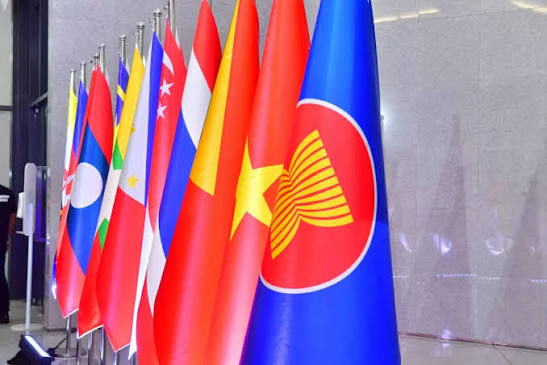
Indonesia is Southeast Asia’s largest economy and an important member of ASEAN. PNG is a Pacific country with growing ambitions to deepen its engagement with Southeast Asia. Their commercial relationship therefore has significance beyond the bilateral trade balance. For Indonesia, stronger economic engagement with PNG can complement its broader diplomacy with Pacific Island countries. For PNG, Indonesia offers a neighboring market and a potential gateway to ASEAN’s manufacturing networks, consumer markets and investment opportunities. The relationship could also support broader connections between Southeast Asian and Pacific businesses. In July 2025, PNG reaffirmed its aspiration to transition from ASEAN Special Observer status towards full membership. Any change in status would depend on the relevant ASEAN processes and decisions. PNG’s ASEAN Membership Aspiration, 2025. In the meantime, bilateral trade and practical economic cooperation can continue to develop independently of any future membership decision.
Building More Resilient Regional Supply Chains
ASEAN companies are increasingly looking to diversify suppliers, markets and production networks. Given the strengths of either economy, PNG could participate in selected regional supply chains by supplying agricultural product and, natural resources. Indonesia, meanwhile, can provide manufactured products and industrial inputs that support PNG’s consumption, infrastructure and productive sectors. If they can foster a relationship on competitive businesses and mutually beneficial projects rather than relying on geographical proximity, they can maximize their potential as creating resilience in supply chains.
Challenges That Need Attention
Despite the opportunities, several barriers could constrain trade growth. Logistics costs can make imported goods expensive, particularly when transport services are infrequent or supply chains involve multiple stages. Despite the proximity between the two countries, high movement logistics costs may deter businesses as PNG faces high transport costs, weak port facilities, and burdensome customs procedures. Regulatory requirements can add an extra layer complicate market access, especially for food, and agricultural products. Access to finance and market information can also prevent smaller businesses from taking advantage of new opportunities Papua New Guinea: Country Economic Memorandum, 2023 Papua New Guinea, 2026–2030, 2026.
Both governments can help by improving border procedures, sharing market information, supporting business matching, and developing clearer pathways for exporters, while the private sector can build reliable distribution networks, improve product standards, and identify products for which there is genuine demand. Papua New Guinea Micro, Small and Medium Enterprises and Inclusive Growth: Detailed Findings Report, 2021.
What Should Happen Next?
1. Turn Trade Data Into Commercial Opportunities
Both governments should make bilateral trade statistics and product-level market information easier for businesses to access. By identifying which products are already traded, which are growing, and where demand remains unmet it would help companies make informed decisions.
2. Strengthen Border and Transport Infrastructure
Improvements to customs, quarantine, transport services and border facilities could lower the cost of doing business and support local communities.
3. Advance the Preferential Trade Agreement Process
A preferential trade agreement could potentially reduce tariffs on selected goods and establish clearer arrangements for market access. This would be most effective when businesses can translate its provisions into actual commercial activity. But its eventual benefits would depend on the products covered, customs procedures and the ability of businesses to use the agreement. Furthermore, smaller exporters would also need accessible information about tariffs, certification and documentation.
4. Support Local Exporters
PNG businesses would benefit from practical assistance with product standards, processing, packaging, certification and export documentation. Indonesian SMEs could benefit from information about PNG’s distribution networks and procurement opportunities.
5. Prioritise Sustainable Investment
Investment should support productive capacity, local employment, environmental responsibility and long-term commercial viability. This would create a stronger foundation for trade relations and create benefits beyond higher headline trade values.
Conclusion: Building a Stronger Indonesia–PNG Partnership
Indonesia and Papua New Guinea have an opportunity to develop a more substantial economic relationship. The proposed preferential trade agreement and ongoing efforts to strengthen cross-border connectivity provide additional avenues for cooperation. Indonesia–Papua New Guinea Bilateral Trade, 2025; Indonesia–PNG Preferential Trade Agreement Feasibility Study, 2026. The long term opportunity is to build a relationship in which both economies can expand their productive capabilities, diversify markets and create opportunities for businesses and communities. Indonesia can provide manufactured goods, industrial inputs, investment and connections to Southeast Asian supply chains. PNG can offer agricultural products, natural resources and opportunities for productive investment and economic diversification. The foundations and raw material is already there. The next stage of Indonesia–PNG relations should be measured by how effectively both economies can integrate and builds a more connected regional economy.
Frequently Asked Questions
How much do Indonesia and Papua New Guinea trade?
Indonesia's Foreign Ministry reported bilateral trade of US$385.5 million in 2024, up 54.91% from US$247.6 million in 2023. Trade figures can differ across sources because of reporting periods and statistical methods.
What does Indonesia export to PNG?
Reported Indonesian exports include food products, fats and oils, soaps, vehicles, sugar, aluminium, fertilisers, plastics, electrical equipment and other manufactured goods. In 2025, Indonesia's exports to PNG were valued at approximately US$249.47 million in UN Comtrade-derived data.
What does PNG export to Indonesia?
PNG's exports to Indonesia include agricultural products and other goods. UN Comtrade-derived data show Indonesian imports from PNG at approximately US$108.17 million in 2025, with cocoa and cocoa preparations accounting for a substantial share.
What is the proposed Indonesia–PNG Preferential Trade Agreement?
The proposed IPNG-PTA is a potential bilateral arrangement intended to improve trade conditions for selected goods. In June 2026, Indonesia's Trade Ministry confirmed support for a feasibility study as an initial step towards possible negotiations.
Is Papua New Guinea a member of ASEAN?
No. PNG is a Pacific country and has held ASEAN Special Observer status. In July 2025, it reaffirmed its aspiration to transition towards full ASEAN membership, but any change would depend on the relevant ASEAN processes and decisions.
How could businesses benefit from stronger Indonesia–PNG trade?
Businesses could benefit from new export markets, distribution partnerships, joint ventures, agricultural processing, logistics services and industrial supply opportunities. Realising these benefits will depend on competitive products, reliable transport, regulatory compliance and practical support for exporters.