The Sumatra Advantage: Why Indonesia’s Oil Hub Is Becoming Southeast Asia’s Strategic Energy Powerhouse
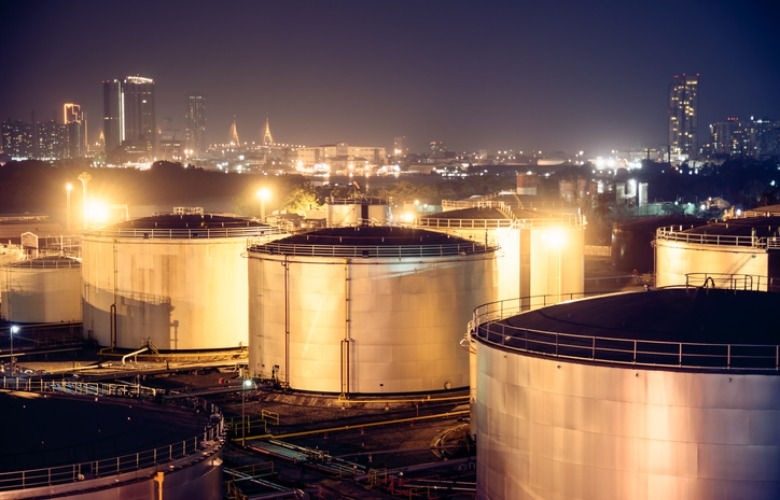
Sumatra’s combination of geography, infrastructure, natural resource wealth, and improving investment policy is strengthening its role as Indonesia’s leading energy hub and one of Southeast Asia’s most strategically important energy nodes (Indonesia plans Sumatra oil storage facility to boost energy reserves, 2026).
Key Facts
Sumatra sits beside the Strait of Malacca, one of the world’s busiest shipping lanes and a major corridor for global oil and fuel trade (Indonesia proposes hosting ASEAN oil storage hub to boost regional reserves, 2026).
The island contains some of Indonesia’s most important oil and gas assets, refining capacity, export terminals, and now proposed large-scale storage infrastructure (RI taps foreign partners to build oil storage in Sumatra, 2026).
Sumatra also benefits from special economic zones that offer tax incentives, streamlined permitting, and import-duty exemptions (Indonesia extends income tax relief for labour-intensive industries, 2026).
The region plays a critical role in Indonesia’s energy security and export earnings while also serving as a gateway for regional energy trade (Indonesia pushes for ASEAN oil storage hub in Sumatra, 2026).
Background
While Java dominates population and broader economic activity, Sumatra has long served as Indonesia’s primary energy engine. Decades of oil exploration and production, along with its maritime location, have created a mature energy ecosystem (Indonesia plans Sumatra oil storage facility to boost energy reserves, 2026).
As Indonesia pushes for downstream industrialisation and greater self-sufficiency, Sumatra is increasingly positioned not just as a resource base but as a more integrated energy and logistics hub for domestic demand and regional exports (Indonesia proposes hosting ASEAN oil storage hub to boost regional reserves, 2026).
Indonesian View
From Jakarta’s perspective, Sumatra is indispensable. It supports energy supply to western Indonesia, generates export revenues, and acts as a natural bridge to ASEAN markets (Indonesia plans Sumatra oil storage facility to boost energy reserves, 2026).
For the wider region, Sumatra’s development can support ASEAN energy security by expanding storage capacity and strengthening regional supply resilience. Its success also affects Indonesia’s ability to balance resource nationalism with the need to attract foreign capital in a competitive energy market (Indonesia pushes for ASEAN oil storage hub in Sumatra, 2026).
Analysis
Sumatra’s advantages are both natural and policy-driven. Its proximity to the Strait of Malacca reduces transport costs and delivery times compared with many alternative supply routes. Deep-water ports can accommodate large tankers, while refineries, pipeline networks, and planned storage facilities provide immediate operational scale (RI taps foreign partners to build oil storage in Sumatra, 2026).
Recent policy reforms — including tax holidays, accelerated depreciation, and simplified licensing in SEZs — have made the region more attractive to investors. However, infrastructure still needs modernisation, environmental compliance is tightening, and the energy transition will need to be managed carefully (Indonesia extends income tax relief for labour-intensive industries, 2026).
Strategic Advantages
Direct access to major Asian consumption centres lowers logistics costs.
The island is naturally positioned as a transit and processing point for regional energy flows.
Geological conditions support both conventional and emerging energy resources.
Existing Infrastructure
Mature port facilities with deep-water capabilities.
Established refining, processing, and distribution networks.
Integration with regional road, rail, and pipeline systems.
Investment Incentives
Up to 10-year corporate tax holidays in priority energy sectors.
Import-duty exemptions on equipment and raw materials.
SEZ benefits including simplified permitting and additional tax relief.
What Should Happen Next?
To fully capitalise on its advantages, Sumatra needs faster infrastructure modernisation, stronger environmental safeguards, and clearer long-term policy direction on the energy transition. The government should focus on attracting downstream investors in petrochemicals and renewables while ensuring local communities benefit from development (Indonesia plans Sumatra oil storage facility to boost energy reserves, 2026).
For businesses, Sumatra offers a compelling mix of resource access, logistics efficiency, and improving incentives, especially for players in energy, infrastructure, and industrial manufacturing (RI taps foreign partners to build oil storage in Sumatra, 2026).


