Middle East Crisis Exposes LNG Vulnerability: Time for ASEAN to Pivot Hard to Renewables
Summary
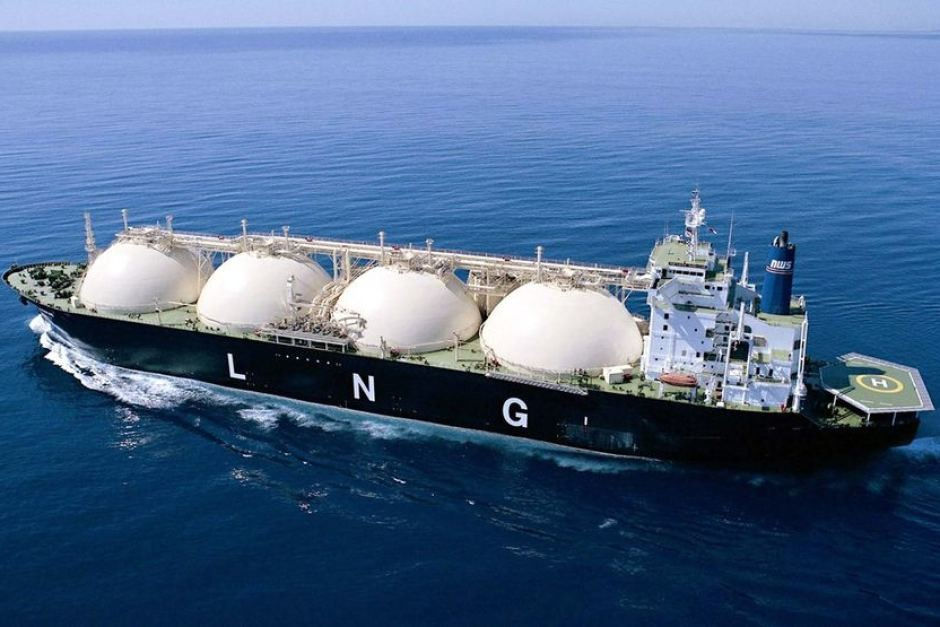
The escalating Middle East conflict has triggered sharp oil and LNG price surges, with shipments stuck on either side of the Strait of Hormuz and Qatar’s largest export facility offline. Asian LNG prices have hit their biggest jump since 2023, reviving memories of the 2022 Russia-Ukraine energy shock that pushed Southeast Asia toward LNG as a “secure” alternative. Experts now warn that LNG — touted as a transition fuel — is proving the fossil fuel most exposed to geopolitical disruption. From an Indonesian vantage point, with our net exporter status but heavy reliance on refined products and logistics, the crisis is a stark reminder: leaning on imported LNG locks in volatility. Clean energy, not more gas terminals, offers the real hedge against future shocks.
Recount of Events
The conflict’s impact on energy markets has been immediate and severe. Fuel shipments remain stalled around the Strait of Hormuz — the chokepoint for over 80 per cent of oil and LNG heading to Asia — while Qatar’s primary LNG export facility has shut down. Asian spot LNG prices have surged sharply, echoing the 2022 crisis after Russia’s invasion of Ukraine.
Southeast Asia had pivoted heavily to LNG post-2022. The Philippines and Vietnam launched their first terminals in 2023; Thailand, the region’s earliest LNG importer (since 2011), saw shipments grow 40 per cent that year. Regional plans aim to expand LNG import capacity by 80 per cent. Thailand and Singapore remain the largest Middle East LNG buyers in ASEAN.
Commentators from Zero Carbon Analytics (ZCA) notes that LNG’s promised diversification has failed — “the cards are held by a few suppliers,” creating the same vulnerabilities as pipelines.
Short-term offsets exist — Australia, the United States (now the world’s top LNG exporter), and Canada can supply extra volumes — but the duration of the conflict is key. ZCA cautions that a prolonged war or escalation could see no alternative route fully replace Hormuz volumes.
Central banks are already on edge. Emerging-market currencies have weakened against the dollar due to higher dollar-denominated energy import costs. Thailand warns of a 0.15 per cent GDP hit from rising oil prices; Singapore’s Monetary Authority is assessing impacts on its almost entirely imported-gas system. Inflation across Asia is projected to rise 7–27 basis points, with Thailand, South Korea and Singapore most exposed.
Short-term responses vary. Thailand is tapping its Oil Fuel Fund for price caps; the Philippines has introduced a temporary four-day work week. Yet experts see divergent long-term paths: the Philippines has prioritised renewables via centralised auctions and eased foreign ownership rules, making solar the fastest-growing asset class; Thailand has continued adding gas capacity despite overcapacity concerns.
Analysis
From an Indonesian vantage point, the crisis exposes a painful contradiction. We are a net oil exporter, yet our refineries, logistics chains and manufacturing costs remain vulnerable to global price spikes and Hormuz disruptions. The post-2022 rush to LNG terminals across ASEAN — including Indonesia’s own expansion plans — now looks like a repeat of the same mistake: trading pipeline dependency for supplier concentration risk.
The narrative that LNG provides “energy security through diversification” has crumbled. As Amy Kong points out, we’ve simply swapped one set of concentrated suppliers for another. When Qatar halts, when Hormuz closes, or when bidding wars erupt, price-sensitive economies lose out — just as Bangladesh and Pakistan did in 2022, facing blackouts while Europe outbid them.
The divergence between the Philippines and Thailand is telling. The Philippines’ pivot to renewables — solar auctions, eased investment rules, rooftop PV deployment — offers immediate, deployable relief. Thailand’s continued gas additions, despite overcapacity, risk locking in higher costs and stranded assets. Indonesia sits in between: our nickel and EV battery ambitions demand stable, affordable power, yet we still lean on gas imports and coal while renewables remain underutilised.
Several hard questions remain unasked:
If LNG is so geopolitically fragile, why are we still planning 80 per cent import-capacity expansion instead of matching the Philippines’ renewable push?
How will central banks and governments coordinate regional buffers — joint LNG procurement, shared strategic reserves, or accelerated clean-energy financing — before inflation erodes purchasing power and hits SMEs hardest?
With over 99 per cent of ASEAN’s wind and solar potential untapped, why isn’t there a bloc-wide target and funding mechanism to deploy utility-scale solar and battery storage at scale, rather than waiting for the next crisis?
When will we stop treating renewables as a “long-term” option and recognise them as the immediate hedge against fossil-fuel volatility?
The silver lining, as the Philippines shows, is that clean energy can be rolled out quickly — solar rooftop systems in weeks, utility-scale projects in months — with lifespans of 25–30 years and minimal maintenance. Europe saved billions post-2022 by slashing gas demand through wind and solar additions; ASEAN, with far greater untapped potential, could do the same.
The current crisis is not just an energy shock; it is a strategic wake-up call. ASEAN can keep doubling down on LNG and risk repeated volatility, or pivot decisively to domestically sourced renewables for true security. The choice will shape costs, competitiveness and resilience for a generation. From Indonesia’s perspective, the time to choose is now.


