How ASEAN is Navigating Middle East Tensions
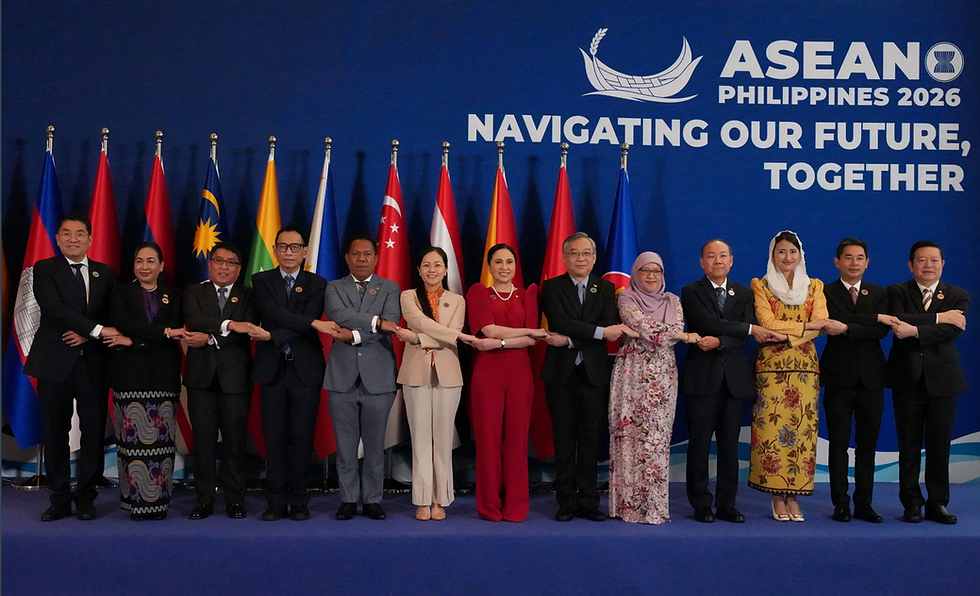
As the Middle East crisis continues to disrupt global energy supplies and shipping routes, ASEAN is trying to balance economic self-interest with its long-standing principles of non-interference and regional solidarity. The result is a cautious, pragmatic posture: calling for de-escalation, protecting trade and energy security, and avoiding overt alignment with any external power (ASEAN ministers to hold meetings to address Middle East crisis, 2026).
Key Facts
A very large share of crude oil and LNG transiting the Strait of Hormuz is bound for Asia, leaving ASEAN economies exposed to any further sustained disruption (2026 Iran war fuel crisis, 2026).
Singapore and Thailand are especially sensitive to LNG supply shocks because of their reliance on imported gas, including shipments linked to Qatar (2026 Iran war fuel crisis, 2026).
The crisis has pushed up oil and LNG prices, adding to inflationary pressure and logistics costs across the region (ASEAN ministers to hold meetings to address Middle East crisis, 2026).
ASEAN has called for restraint, de-escalation, and peaceful resolution while staying out of direct involvement (ASEAN calls for uninterrupted transit in Strait of Hormuz, 2026).
Background
The Middle East tensions present a difficult test for ASEAN. The region depends heavily on stable energy imports and secure maritime trade routes, so any prolonged disruption in the Strait of Hormuz or nearby waterways can quickly affect inflation, freight costs, and supply-chain reliability (ASEAN calls for uninterrupted transit in Strait of Hormuz, 2026).
At the same time, ASEAN’s core operating principles make it reluctant to take sides in external conflicts. Consensus, non-interference, and diplomatic flexibility remain central to the bloc’s identity, which helps explain why its response has been measured rather than forceful (ASEAN Chair's Statement On The Outcomes Of the Special ASEAN Foreign Minister's Meeting On the Situation In The Middle East, 2026).
Indonesian & ASEAN View
Indonesia faces a dual challenge. As the region’s largest economy and a net oil exporter in some respects, it can benefit from higher commodity prices, but it still depends on imported refined fuels and remains vulnerable to higher inflation (ASEAN ministers to hold meetings to address Middle East crisis, 2026).
For the wider bloc, the crisis highlights a deeper structural issue: ASEAN’s exposure to external shocks is still high. That makes energy diversification, strategic reserves, and supply-chain resilience more important than ever. The region’s current response has focused on diplomacy and economic pragmatism, not alignment (ASEAN calls for uninterrupted transit in Strait of Hormuz, 2026).
Analysis
ASEAN’s approach has been consistent with its style: call for calm, maintain dialogue with all sides, and avoid escalating tensions. Strengthening intra-ASEAN cooperation, exploring alternative energy sources, and improving maritime security are sensible responses (ASEAN Chair's Statement On The Outcomes Of the Special ASEAN Foreign Minister's Meeting On the Situation In The Middle East, 2026).
But several key questions remain unresolved.
How sustainable is ASEAN’s “balanced” position if the crisis deepens and forces harder choices on energy security or diplomatic alignment?
Can the region reduce dependence on Middle East energy quickly enough without causing short-term economic pain?
Will heightened maritime risks encourage stronger ASEAN defence and security cooperation, or will national interests continue to limit collective action?
For Indonesia, how can it use its role as a major economy and G20 member more constructively without compromising its non-aligned stance?
These questions matter because prolonged instability in the Middle East could affect ASEAN’s growth, inflation, and strategic autonomy for years (ASEAN ministers to hold meetings to address Middle East crisis, 2026).
Opportunities for Regional Cooperation
The crisis also gives ASEAN a chance to accelerate long-term priorities. These include diversifying energy sources, building strategic reserves, strengthening the ASEAN Power Grid, improving renewable-energy cooperation, and enhancing maritime security and information-sharing (ASEAN Chair's Statement On The Outcomes Of the Special ASEAN Foreign Minister's Meeting On the Situation In The Middle East, 2026).
It may also push the bloc to think harder about alternative trade routes and supply-chain resilience. In that sense, the crisis is not only a threat; it is also a stress test for ASEAN’s ability to turn vulnerability into coordination (ASEAN ministers to hold meetings to address Middle East crisis, 2026).
What Should Happen Next?
ASEAN leaders should use upcoming meetings to coordinate a unified but flexible response. That means accelerating energy diversification plans, improving regional contingency mechanisms, and keeping a consistent diplomatic message in favour of peaceful resolution (ASEAN calls for uninterrupted transit in Strait of Hormuz, 2026).
Businesses should also prepare for prolonged disruption by stress-testing supply chains, diversifying sourcing, and reviewing routing and inventory strategies. The Middle East crisis is a reminder that ASEAN’s prosperity is tied to events far beyond the region, and navigating that reality will require both diplomatic discipline and practical economic planning (ASEAN ministers to hold meetings to address Middle East crisis, 2026).


